
Norway has given us the Nobel Peace Prize, Viking sagas, Christmas trees as gifts to some of the biggest cities in the world and, perhaps most importantly, some truly magnificent dogs. From the six-toed puffin hunters scaling impossible cliffs to the hounds whose “glass eyes” helped feed families through harsh winters, Norwegian dogs are as tough, ingenious, and beautiful as the landscape that shaped them.
I worked in Bergen for a while, and I’ve visited Oslo and Gjeilo on holidays. I love Norway. The bond Norwegians have with their dogs is something special – these aren’t just pets; they’re working partners descended from animals that helped people survive in some of Earth’s most challenging environments. You see it in how the dogs move: confident, purposeful, absolutely at home in conditions that would send most breeds scurrying for the sofa.
What Are the Native Norwegian Dog Breeds?
Norway’s native breeds split into two distinct camps: the ancient Spitz-type dogs with their curled tails and wolf-like faces, and the scent hounds bred to track game across impossible terrain. And then there are the modern sled dogs – purpose-built crosses that dominate racing circuits worldwide.
Right then, here’s the full roster of dogs of Norway:
- Norwegian Elkhound (Grey)
- Black Norwegian Elkhound
- Norwegian Buhund
- Norwegian Lundehund
- Dunker (Norwegian Hound)
- Halden Hound
- Hygen Hound
- Eurohound
- Greyster
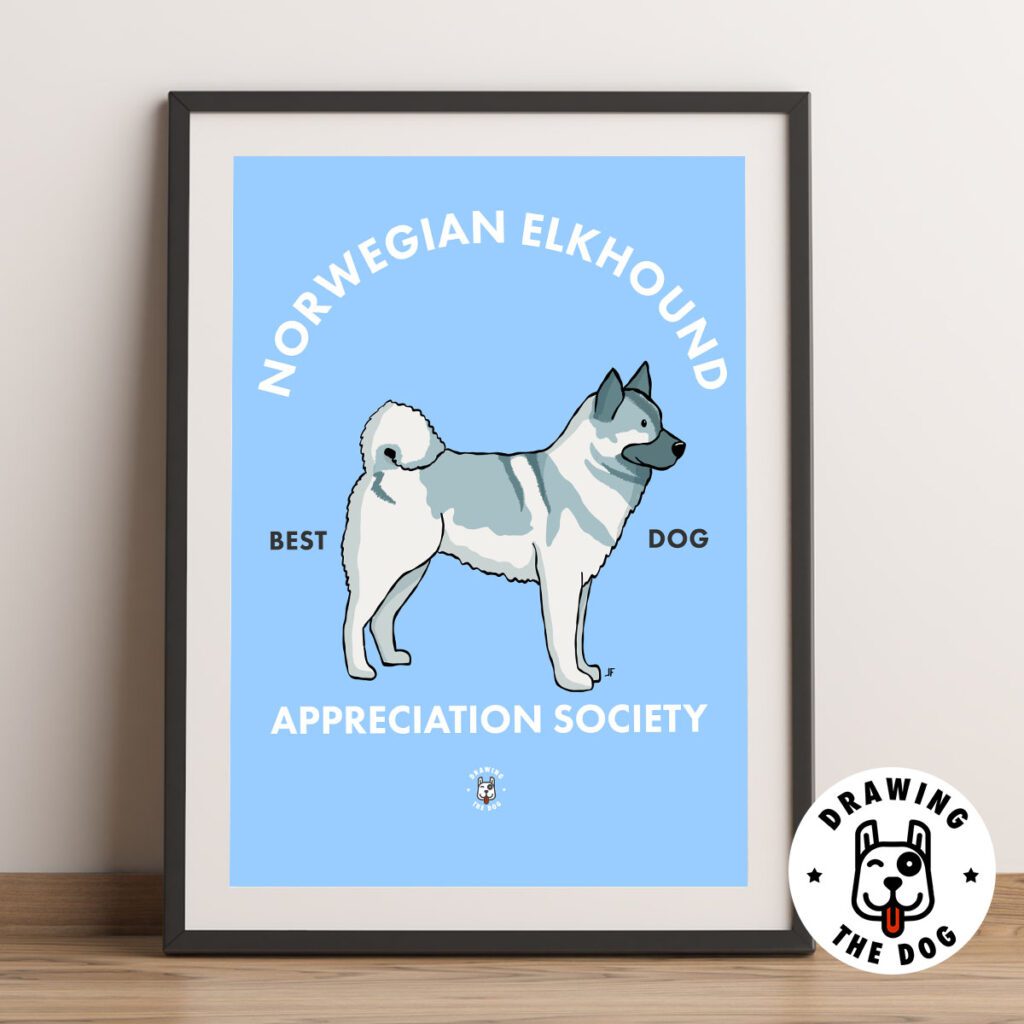
Norwegian Elkhound: Norway’s National Dog
The Norwegian Elkhound (or Norsk Elghund Grå if we’re being fancy about it) is Norway’s national dog. This magnificent silver-grey spitz has been a Norwegian companion for over 5,000 years, making it one of Europe’s oldest breeds.
Despite the name, these dogs hunted moose (the Norwegian word “elg” means moose, not elk). They’d track enormous animals weighing up to 750 kg, then hold them at bay with fearless barking until the hunter arrived. That takes serious courage.
Today’s Elkhounds are still independent-minded, energetic dogs who need proper exercise and mental stimulation. They’re devoted family companions.
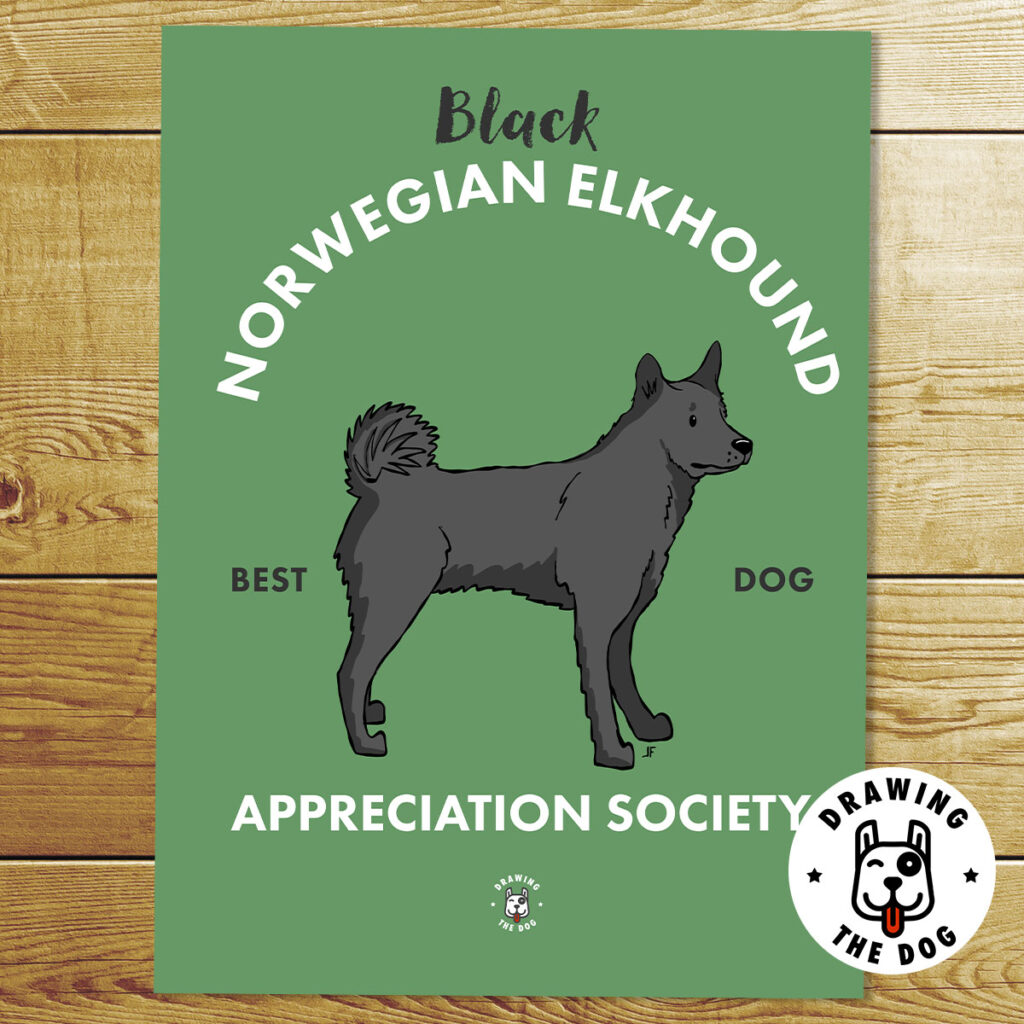
Black Norwegian Elkhound: The Specialist Tracker
The Black Norwegian Elkhound is the Grey’s smaller, sleeker cousin – a specialist bred for close tracking work rather than confronting large game. These dogs developed along the Norwegian-Swedish border in the mid-1800s and quickly earned a reputation as exceptional leashed tracking dogs.
Where the Grey Elkhound would bay at quarry from a distance, the Black works quietly on a lead, following scent trails with laser focus. They’re calmer and more manageable than their grey relatives, though they share that characteristic spitz independence.
Sadly, Black Elkhounds are much rarer than Greys, even in Norway. If you appreciate a challenge and want a dog that’s both beautiful and brilliantly capable, these deserving dogs could use more champions.
Buy the Black Norwegian Elkhound Appreciation Society Art Print
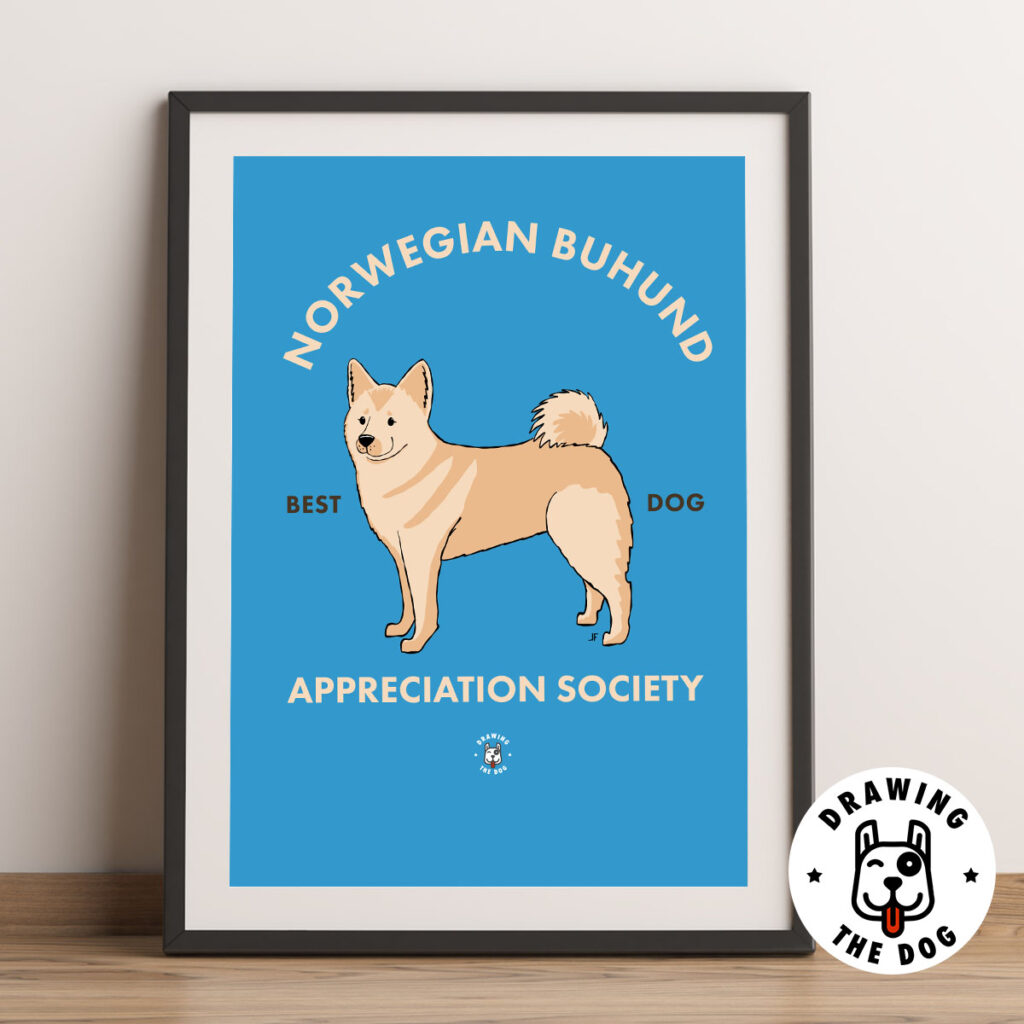
Norwegian Buhund: The Viking’s Farm Dog
The Norwegian Buhund might just be the ultimate farm dog. Archaeological evidence shows these spitz-type dogs living alongside Vikings over a thousand years ago, doing absolutely everything required on a Norse homestead: herding sheep, guarding livestock, protecting the family, and even keeping the beds warm on frozen Arctic nights.
The name comes from the old Norwegian word “bu”, meaning farm or hut. Every farm had its Buhund. They lived in the barns, herded animals to pasture during the day, and were valued as highly as any other working member of the household.
The breed almost went extinct in the early 1900s when imports became fashionable, but thankfully, dedicated enthusiasts saved them. Modern Buhunds are energetic, clever, and absolutely delightful. These dogs excel at everything from agility to search and rescue.

Norwegian Lundehund: The Six-Toed Marvel
Right, let’s talk about one of the most extraordinary dog breeds on the planet. The Norwegian Lundehund, literally translates to “puffin dog”. It was bred on remote Arctic islands to hunt puffins along sheer cliff faces and in impossibly narrow caves.
To do this job, the Lundehund developed physical traits found in no other breed:
- Six fully functional toes on each foot (most dogs have four or five) extra grip on slippy rocks.
- Extraordinary flexibility – they can bend their head backwards until it touches their spine, allowing them to get into very tight crevices.
- Ears that can close to keep out dirt and water
- Shoulders that can extend sideways at 90 degrees like human arms
When puffin hunting was outlawed and a dog tax was imposed, the Lundehund nearly went extinct. By 1963, canine distemper reduced the entire global population to just six dogs. Every Lundehund alive today descends from that tiny group.
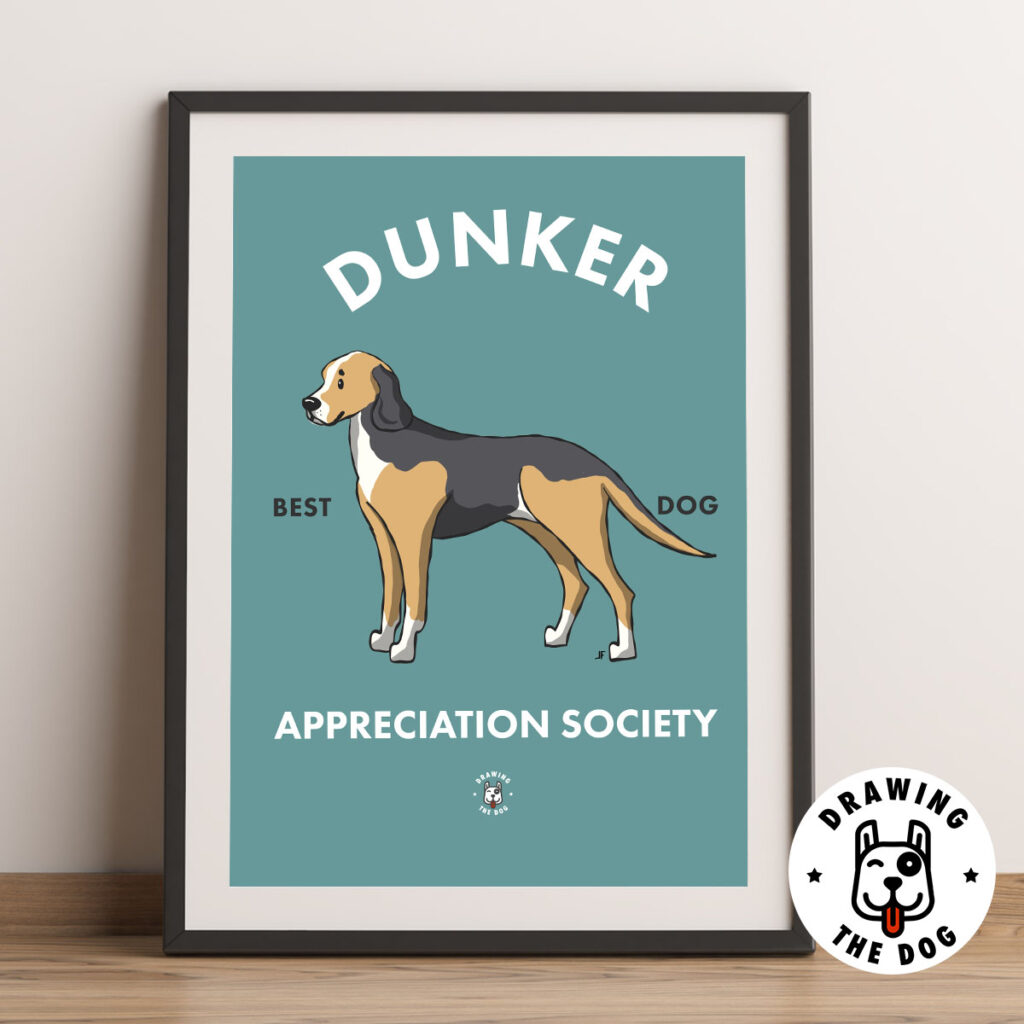
Dunker (Norwegian Hound): The Glass-Eyed Hunter
The Dunker – also called the Norwegian Hound – is named after Captain Wilhelm Conrad Dunker, who created the breed in the early 1800s by crossing Russian Harlequin Hounds with Norwegian scent hounds. The aim was to breed a dog tough enough to hunt hares across Norway’s difficult terrain in absolutely any weather.
The result is striking: a medium-sized hound with a distinctive blue-marbled or black-mottled coat. Some dogs have the famous “glass eyes” – pale blue eyes that seem to look straight through you. They’re beautiful dogs with incredible stamina and what Norwegian hunters call “paws of steel” that can dig through ice and crusty snow.
Dunkers work solo rather than in packs (pack hunting is illegal in Norway), following complex scent trails with remarkable intelligence. When they find game, they alert with loud barking – the “music of the forest” as hunters call it.

Halden Hound: The Smallest Norwegian Hound
From the town of Halden in southeastern Norway comes the smallest of Norway’s three traditional hare hounds. Developed in the late 1800s by crossing local scent hounds with Beagles and English Foxhounds, the Halden Hound was purpose-built for tracking small game – particularly Norway’s mountain hares.
These medium-sized hounds resemble American Foxhounds but smaller, with tricolour coats of white with black patches and tan shading. They’re friendly, brave, trusting souls who hunt alone, working in close partnership with a hunter.
The breed nearly disappeared during World War II and a devastating parvo outbreak, but enthusiasts saved them. Sadly, they remain critically rare even in Norway.
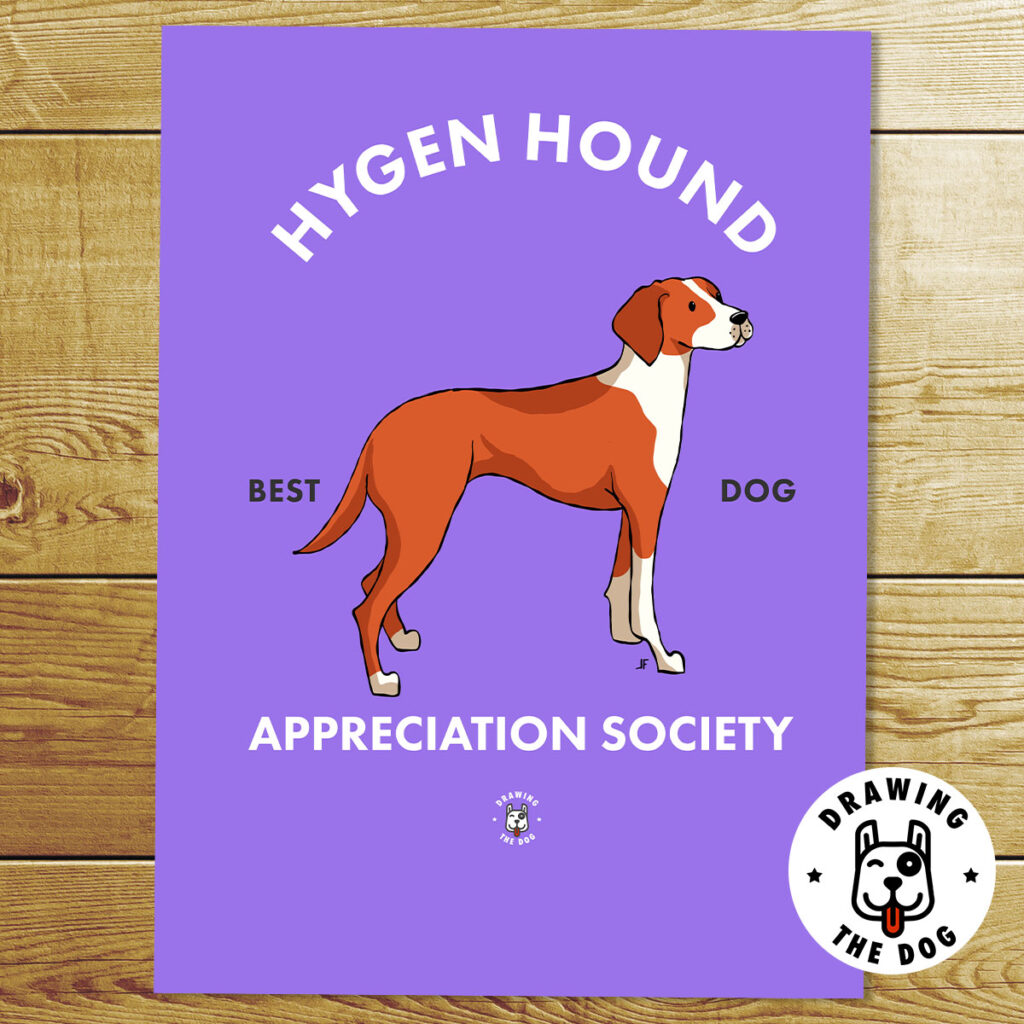
Hygen Hound: The Endurance Specialist
Hans Fredrik Hygen began breeding this hound in the 1830s, crossing German Holsteiner Hounds with Norwegian and other Scandinavian breeds to create the ultimate endurance hunter for Norway’s climate and terrain. His sons continued the work, and by 1902, the Hygen Hound was recognised as distinct from the Norwegian Hound.
These athletic dogs were bred to work tirelessly across Arctic terrain for hours, pursuing hares and foxes. They’re typically red, chestnut, or black with chestnut coats, with white markings also common.
Hygen Hounds bond deeply with their families, showing loyalty and affection. Most Hygen Hounds exist only in Norway, with fewer than 40 registrations per year. They deserve more recognition than they currently receive.
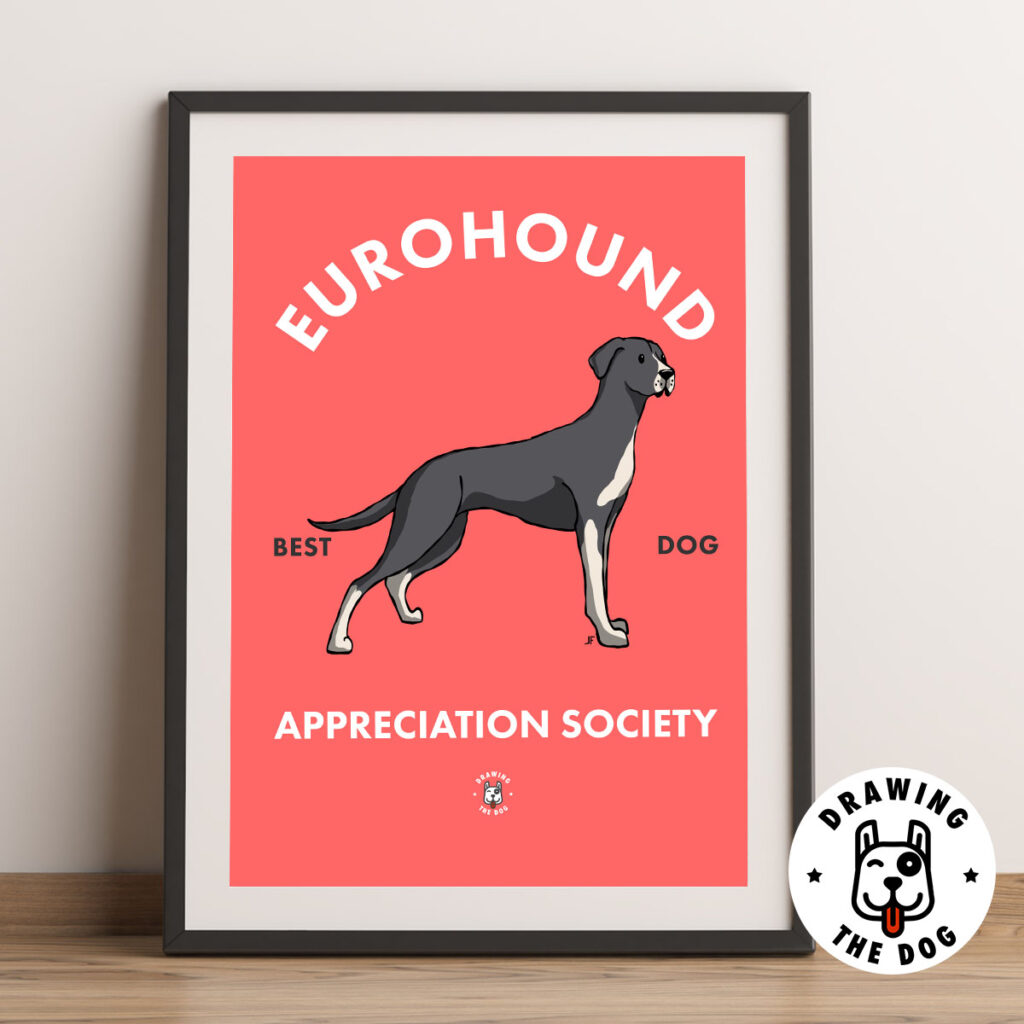
Eurohound: The Scandinavian Sprint Specialist
Unlike many of the other dog breeds, we’ve looked at so far, the Eurohound isn’t an ancient breed but a purpose-built cross developed in Norway. After sled dog racing exploded in popularity following World War II, Norwegian mushers crossed Alaskan Huskies with German Shorthaired Pointers (and sometimes English Pointers) to create the ultimate sprint racer.
The result is a sleek, fast dog that combines the Husky’s pulling power and cold tolerance with the Pointer’s explosive speed and athletic ability. Eurohounds can hit 25 miles per hour and excel at short, intense races of 15-30 kilometres.
Eurohounds are intelligent, devoted companions who form strong bonds with their owners. But they need serious exercise. We’re talking hours of running, not a stroll around the block. They’re best suited to active mushers or sporting enthusiasts, not families wanting a couch companion.
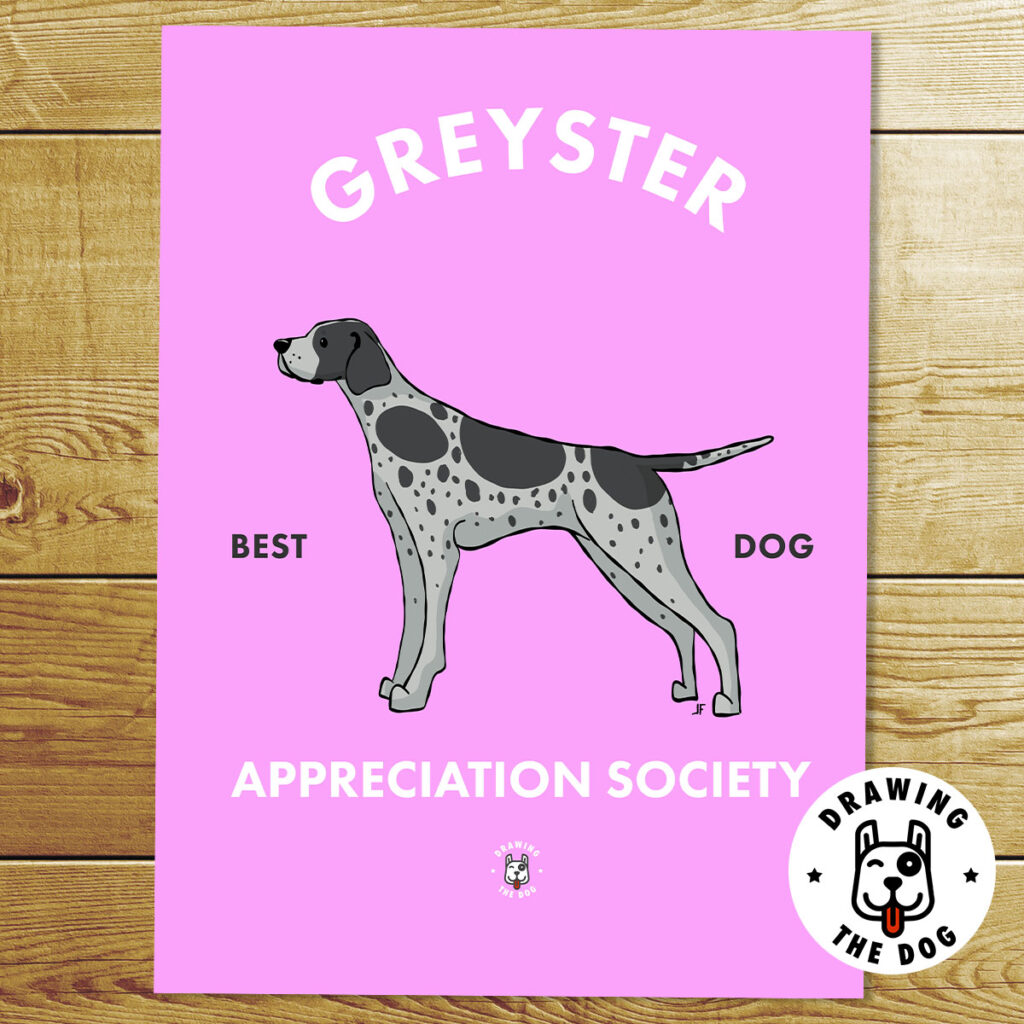
Greyster: The Speed Demon
If the Eurohound is fast, the Greyster is absolutely bonkers fast. This Norwegian-developed cross between Greyhounds and German Shorthaired Pointers was specifically created in the 1980s for dryland sled sports like bikejoring and canicross.
Take a Greyhound, the fastest dog breed on Earth, capable of 45 mph, and cross it with a Pointer’s endurance and enthusiasm. You get a dog that can sustain 30 km per hour over distances up to 10 kilometres. That’s not a typo.
Greysters look like elegant pointing dogs with longer, finer limbs and incredibly well-developed leg muscles. They’re balanced, reliable, quiet dogs who are sensitive to their owners and relatively easy to live with – if you can meet their exercise needs.
These dogs have exceptional heat tolerance compared to traditional sled breeds, making them popular for dryland racing across Europe.
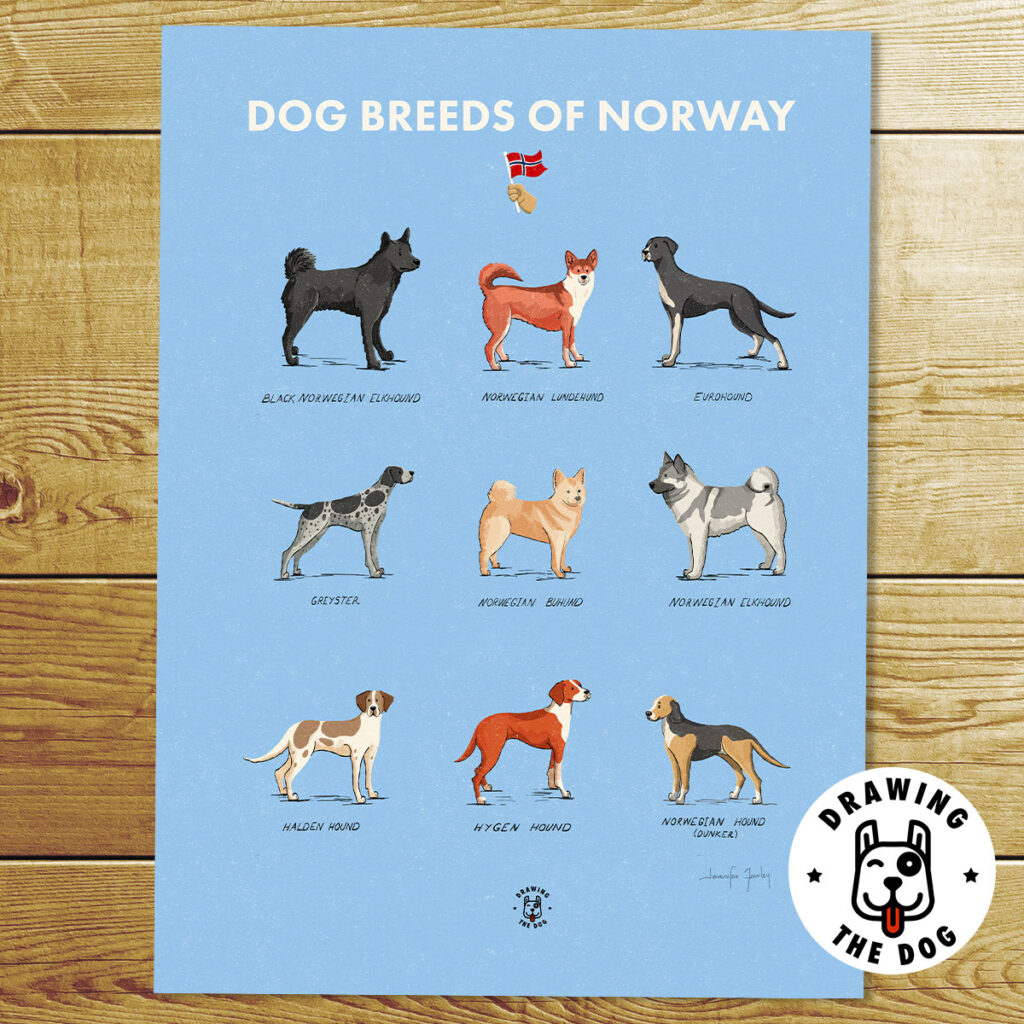
Celebrating Norway’s Dogs
From the misty Lofoten Islands to the forests of the southeast, from Viking longships to modern racing circuits, Norway’s dogs reflect the extraordinary landscape and people that created them. Whether it’s the ancient Lundehund with its impossible flexibility, the powerful Elkhound standing up to moose, or the modern Greyster tearing across racing courses at breakneck speed, each breed tells a story of adaptation, survival, and partnership between humans and dogs.
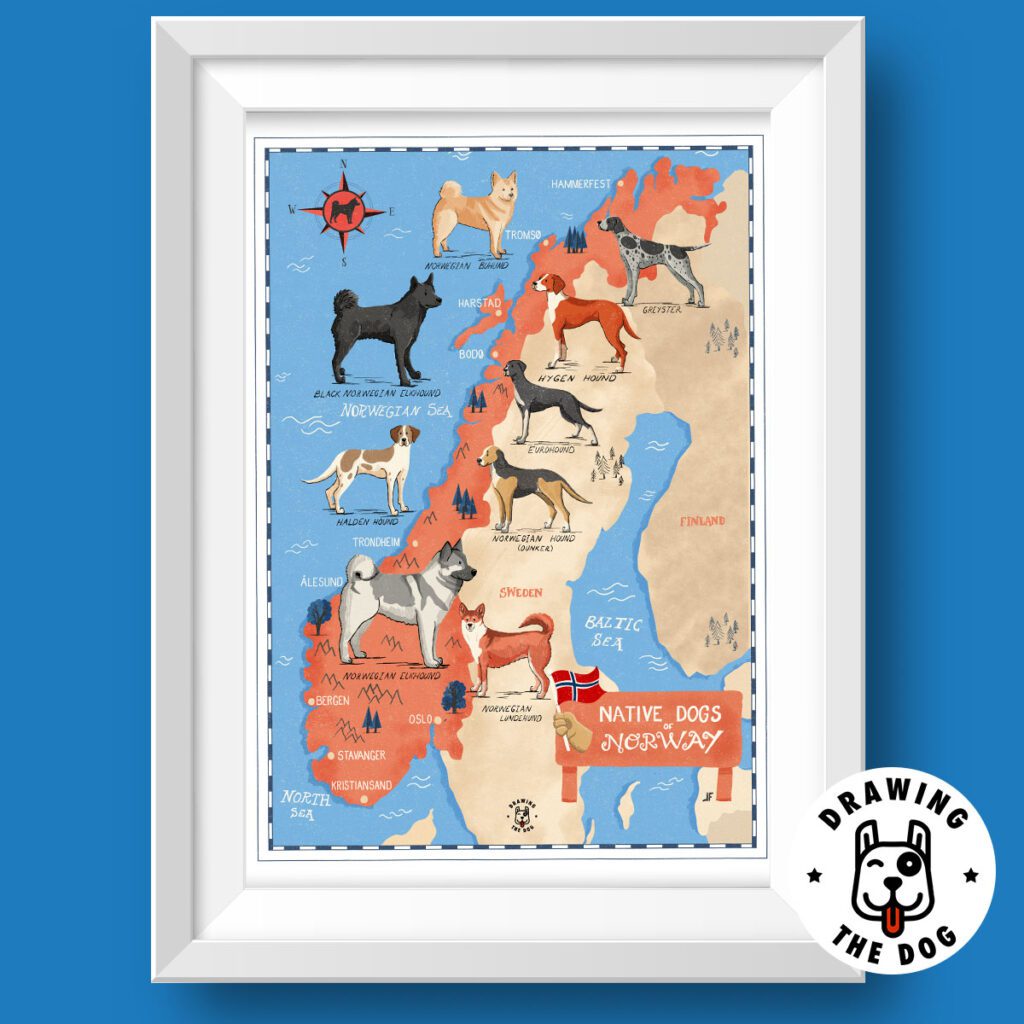
And whatever Norwegian breed has captured your heart, why not celebrate them ALL with this hand-drawn print of the Dog Breeds of Norway. Each drawing is a little love letter to these magnificent dogs.
Buy the Dog Breeds of Norway Wall Art Print
Skål to Norway’s dogs!
More Info
The Norwegian Kennel Club (Norsk Kennel Klub)
https://www.nkk.no
Sons of Norway – Norway’s Native Dogs
https://www.sofn.com/blog/norways-native-dogs/